STE / LOLER Inspections
STE and LOLER Inspections
Regular inspections are essential to keep your lifting equipment safe, compliant, and reliable. At Titan Tail Lifts, we carry out both STE and LOLER inspections on site, giving you peace of mind that your tail lifts are in safe working order and meet all legal requirements.
Book in your inspection
What Is a LOLER Inspection
LOLER stands for Lifting Operations and Lifting Equipment Regulations 1998. It is a legal requirement for all businesses that use lifting equipment, including tail lifts, cranes, and hoists. A LOLER inspection is a detailed examination carried out by a qualified engineer to check that your equipment is safe for continued use.
During a LOLER inspection, we look for signs of wear, damage, or mechanical faults that could affect the safe operation of the lift. Each inspection includes a full check of the hydraulic system, electrical components, platform, locking mechanisms, and safety features. Once complete, you will receive a detailed LOLER certificate confirming that your tail lift meets all required safety standards.
What Is a STE Inspection
An STE (Service Tail Lift Examination) is a thorough service check that focuses on the operational performance and reliability of your tail lift. While the LOLER inspection focuses on legal compliance and safety, the STE inspection focuses on overall function and preventive maintenance.
This includes checking for fluid leaks, electrical performance, platform alignment, wear on moving parts, and general condition. The aim is to identify and fix minor issues before they develop into breakdowns, keeping your fleet running smoothly and reducing downtime.
On-Site Inspections for Your Convenience
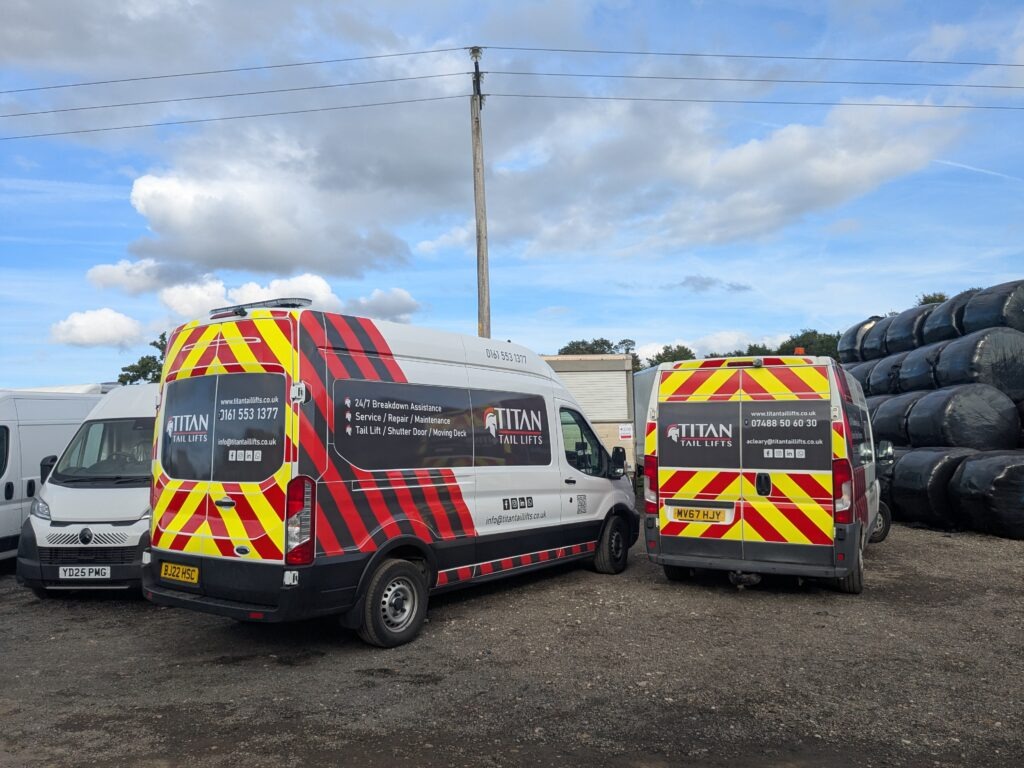
We understand that taking vehicles off the road costs time and money. That is why all our LOLER and STE inspections are carried out on site at your premises or depot. Our engineers are fully trained, certified, and equipped with everything needed to complete inspections quickly and efficiently, allowing you to stay compliant without interrupting your day-to-day work.
Why Regular Inspections Matter
- Keeps your equipment safe and legally compliant
- Reduces the risk of costly breakdowns and accidents
- Helps you avoid fines or failed safety audits
- Ensures your staff can operate equipment safely and confidently